Unveiling Clear Skin
and Confidence

SkinPen® Indications
Acne Scars
Deep pits (usually less than 2mm across).
Extend into the skin, giving the skin an appearance of having been punctured by an ice pick.
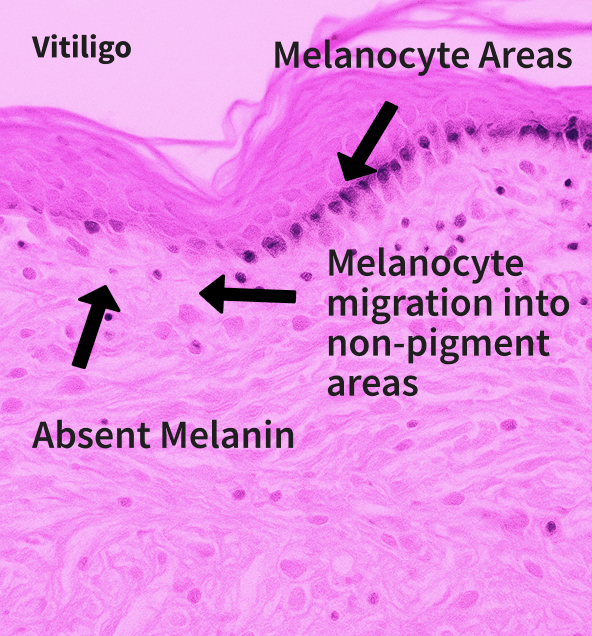
Angular scars with sharp vertical edges.
May be shallow or deep.
Most often found on the cheeks and temples.
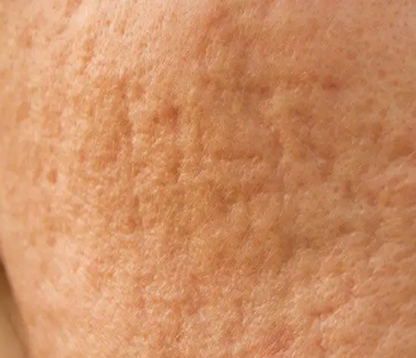
Caused by damage under the surface of the skin.
Give the skin a wave-like appearance.
Tend to be wide and shallow.

How It Works
- Mechanically breaks down scar tissue.
- Activates cellular enzymes known as matrix metalloproteinases, or MMPs.
- Remodels scar tissue through the proper deposition of collagen and elastin.
- Addresses the red and purple discolouration associated with acne scars by increasing blood flow.
- Addresses the brown discolouration, or post-inflammatory hyperpigmentation (PIH), associated with acne scars by stimulating the skin’s natural growth factors.
Female, Procedures: 6. Photos courtesy of: Cathy A. Presnick, Licensed Aesthetician; A Perfect Complexion, LLC, Melbourne, FL


See the SkinPen® difference
Dyschromia
Mottled Hyperpigmented Lesions/Patches
Common skin condition with unknown pathogenesis
Associated with solar and hormonallystimulated melanocytes (increasing melanocyte stimulation hormone, MSH) causing uneven increases in facial melanin.
More commonly found in races with higher pigmentation but can occur in all skin types.

How it works
- Induce keratinocyte turnover and “restore” the normal pigment activity of melanocytes in over pigmented areas.
- This occurs at the dermal-epidermal junction (DEJ).
- This DEJ-shallow dermis area is the target depth to microneedle.


Hypopigmented Patches
Hypopigmented patches occurs when pigment-producing cells (melanocytes) die or stop producing melanin.
The involved patches of skin become lighter or white. It’s unclear exactly what causes these pigment cells to fail or die.
It may result from an autoimmune disorder, hereditary factors, or trigger events like stress, sunburn, or chemical-induced skin trauma.


How it works
- Induce the activation, migration, and/or proliferation of melanocytes into hypopigmented areas at the dermal-epidermal(DEJ). This shallow dermis area is the target depth.
- Also, mechanical trauma stimulates the melanocytes migration from the pigmented areas to unpigmented areas.
- Microneedling may increase the number of pigment cells and stimulate more pigment production
- Studies in literature indicate that 6 or more treatments may be necessary to begin to see improvement
Pigmentation Conditions
Solar lentigines occur due to excessive production of melanin pigment which results from overexposure to UV rays from the sunlight or tanning beds

How it works
- Induce keratinocyte turnover and “restore” the normal pigment activity of melanocytes in over pigmented areas.
- This occurs at the dermal-epidermal junction (DEJ).
- This DEJ-shallow dermis area is the target depth to microneedle.


See the SkinPen® difference
Surgical Scars
Excessive collagen deposits appear raised, but not to the degree observed with keloids
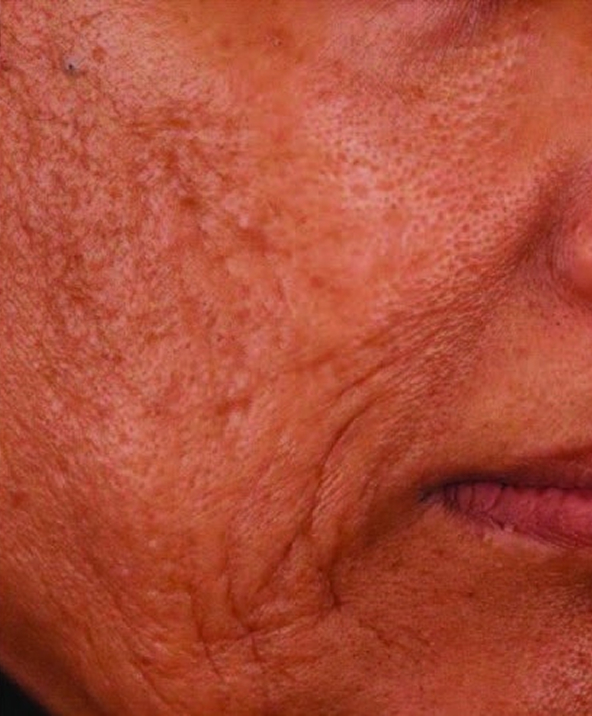
Can appear as a firm, rubbery lesion or shiny, fibrous nodules

Are characterized by extremely tight skin that can restrict your ability to move

How it works
- Mechanically breaks down scar tissue.
- Activates cellular enzymes known as matrix metalloproteinases, or MMPs.
- Remodels scar tissue through the proper deposition of collagen and elastin.
Global Assessment Score = 4. Alster, Tina S. M.D.; Li, Monica Ka Yi M.D. Microneedling of Scars: A Large Prospective Study with Long-Term Follow-Up, Plastic and Reconstructive Surgery: February 2020 – Volume 145 – Issue 2 – p 358-364 doi: 10.1097/PRS.0000000000006462


See the SkinPen® difference
Stretch Marks
Stretch Marks
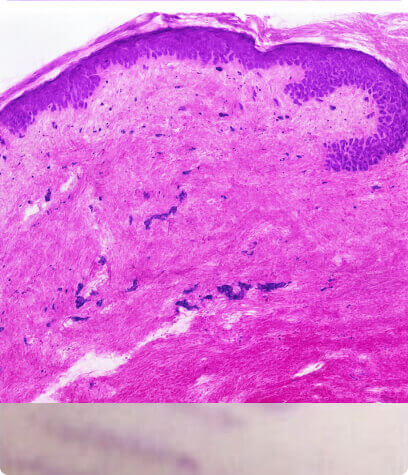
Normal Skin
Smooth and elastic with intact collagen and elastin fibers maintaining firmness and structure.
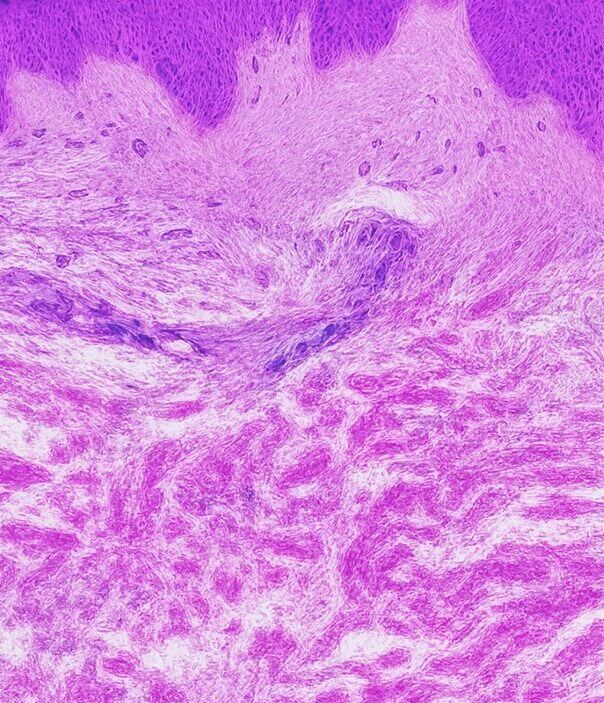
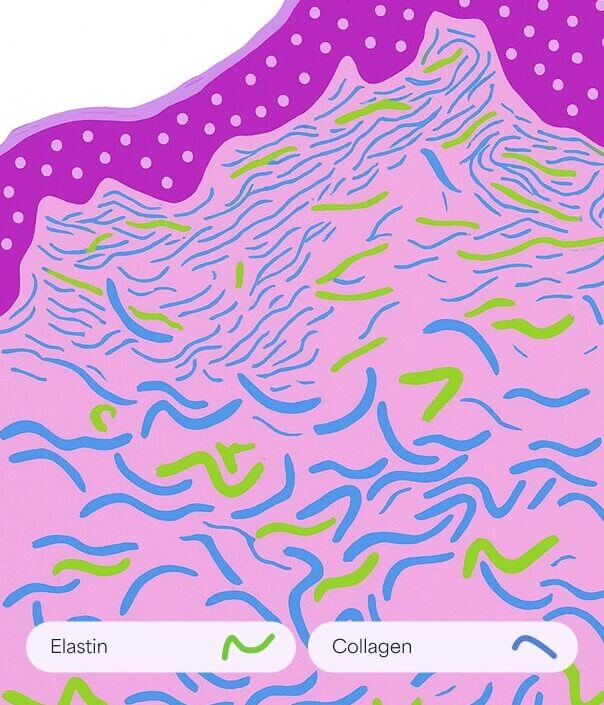
Striae Rubrae
Smooth and elastic with intact collagen and elastin fibers maintaining firmness and structure.
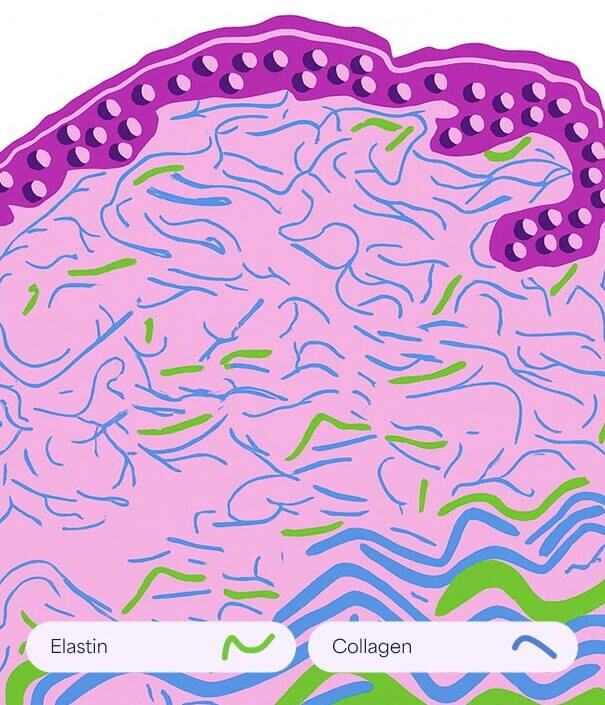
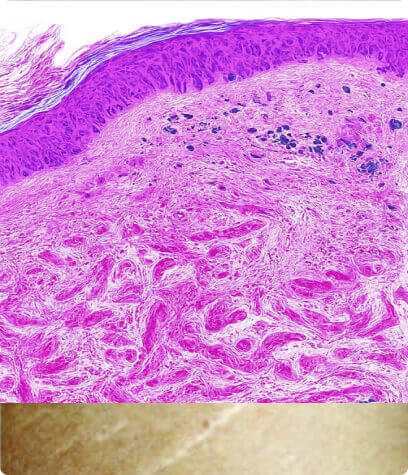
Striae Albae
Mature white stretch marks where collagen remodeling leads to thinning and loss of pigmentation.
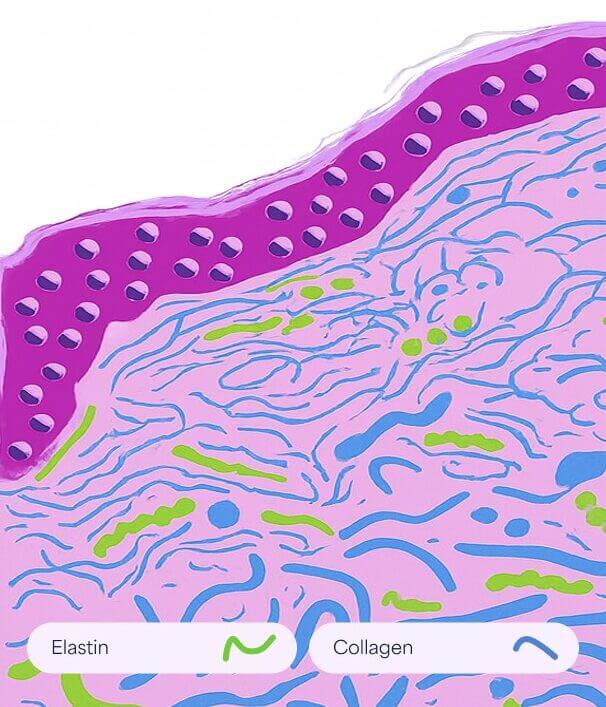


How it works
- Promotes removal of damaged collagen
- Induces keratinocytes proliferation that releases growth factors to promote collagen deposition by the fibroblasts and elastin deposition
- Modulates the expression of several genes in the skin (vascular endothelial growth factor, fibroblast growth factor, epidermal growth factor, collagen type I and III) that promote extracellular matrix remodeling
See the SkinPen® difference
Fine Lines and
Wrinkles
This aging process is accompanied by structural and functional changes in extracellular matrix components such as collagen and elastin. The result in the appearance of fine lines and wrinkles.
Zhang, S., & Duan, E. (2018). Fighting against Skin Aging: The Way from Bench to Bedside. Cell transplantation, 27(5), 729–738.


How it works
- Promotes removal of old damaged collagen
- Induces keratinocytes proliferation that releases growth factors to promote collagen deposition by the fibroblasts and elastin deposition
- Modulates the expression of several genes in the skin (vascular endothelial growth factor, fibroblast growth factor, epidermal growth factor, collagen type I and III) that promote extracellular matrix remodeling
Female, Age: 66, Procedures: 2. Photos courtesy of Christina Clarke, Registered Nurse Bio-Health & Aesthetics, Mount Pleasant, SC
See the SkinPen® difference
Enlarged Pores
Enlarged pores are visible surface irregularities caused by high sebum production, reduced elasticity, increased follicle size, and factors like acne, hormones, and skincare habits.
Crown Clinic, Mona Alqam, MD.


How it works
Promotes removal of old damaged collagen
Induces keratinocytes proliferation that releases growth factors to promote collagen deposition by the fibroblasts and elastin deposition
Modulates the expression of several genes in the skin (vascular endothelial growth factor, fibroblast growth factor, epidermal growth factor, collagen type I and III) that promote extracellular matrix remodeling
Female, Age: 66, Procedures: 2. Photos courtesy of Christina Clarke, Registered Nurse Bio-Health & Aesthetics, Mount Pleasant, SC